
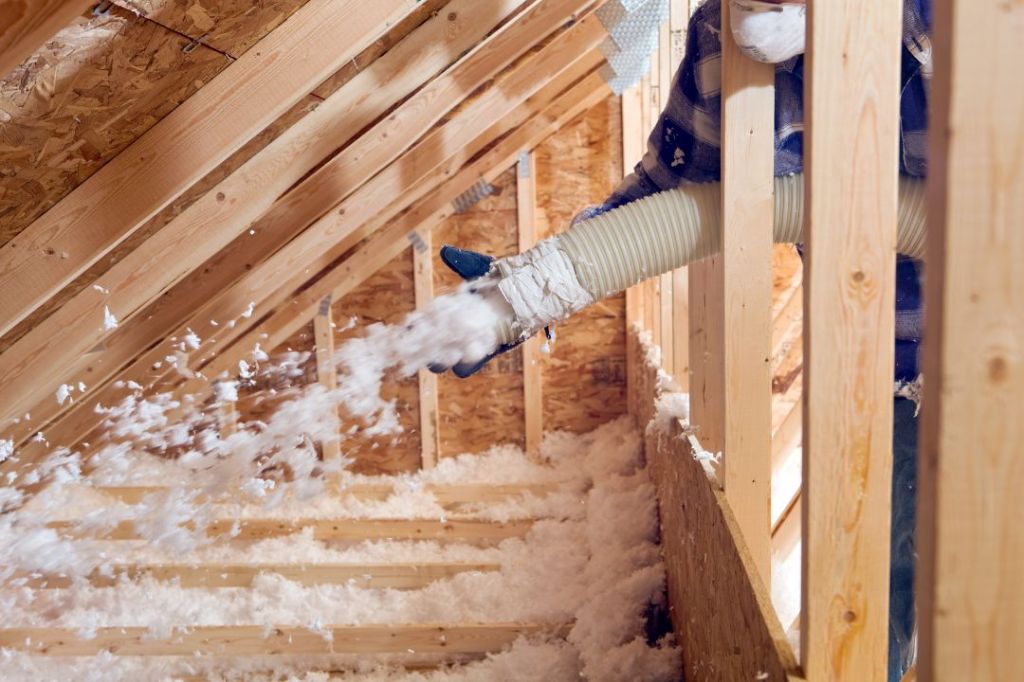
If you’re a homeowner in Georgia, you’ve likely noticed how the intense summer heat and humid weather can drive up your energy bills. One often overlooked solution to this problem is attic encapsulation. Properly sealing and insulating your attic can significantly reduce energy loss, keep your home more comfortable, and help you save money in the long run. But how exactly does attic encapsulation work, and why is it particularly beneficial in Georgia?
In this article, we’ll explore how attic encapsulation can reduce energy loss in Georgia homes, highlighting the advantages of this method, how it differs from traditional insulation, and why it’s a game-changer for energy efficiency in hot, humid climates.
What is Attic Encapsulation?
Attic encapsulation is the process of sealing off your attic from the outside environment by installing a vapor barrier, sealing air leaks, and adding proper insulation. Unlike traditional insulation methods, which only focus on insulating the attic floor, encapsulation turns your entire attic into a conditioned space. This means air is kept inside the house, preventing energy from escaping and outside air from getting in.
Why Does Attic Encapsulation Matter in Georgia?
Georgia’s climate is known for its hot summers and mild winters, making energy efficiency a top priority for homeowners. The extreme temperatures can cause your HVAC system to work overtime, especially if your attic is not properly insulated or sealed. Without attic encapsulation, heat can penetrate your home in the summer, while warm air escapes in the winter, causing your heating and cooling systems to work harder. This leads to higher energy bills and unnecessary wear and tear on your HVAC equipment. To combat these issues, many homeowners turn to Epic Spray Foam, a leading foam insulation company in Georgia, to ensure their attics are well-insulated and energy-efficient
Benefits of Attic Encapsulation for Reducing Energy Loss
Now that you know what attic encapsulation is, let’s explore the specific benefits it offers for reducing energy loss, particularly in Georgia’s climate.
1. Improved Insulation Efficiency
One of the most significant advantages of attic encapsulation is the improvement in insulation efficiency. Traditional attic insulation can break down over time due to moisture and temperature fluctuations. Encapsulation adds an extra layer of protection by sealing off your attic, preventing external conditions from affecting your insulation. This means your home stays cooler in the summer and warmer in the winter, requiring less energy to maintain a comfortable temperature.
2. Reduced Air Leaks
Air leaks are one of the biggest culprits of energy loss in homes. Gaps and cracks in your attic can allow conditioned air to escape and outside air to infiltrate your home. This not only makes your HVAC system work harder, but it can also lead to drafts and inconsistent temperatures throughout your house. Attic encapsulation seals these gaps, creating an airtight barrier that keeps the temperature inside your home stable.
3. Lower Energy Bills
With improved insulation and fewer air leaks, your HVAC system won’t have to work as hard to heat or cool your home, resulting in lower energy consumption. For Georgia homeowners who rely heavily on air conditioning during the summer, the savings can be substantial. According to some estimates, homeowners can save up to 20% on their energy bills after attic encapsulation.
4. Better Moisture Control
Georgia’s humid climate can cause moisture buildup in poorly insulated attics. This moisture can lead to mold growth, wood rot, and damage to your home’s structure. Attic encapsulation helps prevent these issues by controlling the moisture levels in your attic. The vapor barrier used during encapsulation keeps excess humidity out, ensuring that your attic stays dry and mold-free.
5. Increased Comfort
One of the most immediate benefits you’ll notice after encapsulating your attic is improved comfort. Rooms that were once too hot in the summer or too cold in the winter will become more livable. This is because attic encapsulation helps maintain consistent temperatures throughout your home, eliminating hot and cold spots.
How to Encapsulate Your Attic
If you’re considering attic encapsulation for your Georgia home, it’s essential to understand the steps involved in the process. While it’s recommended to hire a professional for the best results, knowing what to expect can help you make informed decisions.
1. Air Sealing
The first step in attic encapsulation is air sealing. This involves identifying and closing any gaps, cracks, or holes in your attic that allow air to escape. Common areas that need sealing include around plumbing pipes, electrical wiring, and vents. Air sealing is crucial for creating an airtight barrier that prevents energy loss.
2. Insulating the Roof Deck
In traditional insulation, the attic floor is insulated to keep conditioned air in the living spaces below. However, in attic encapsulation, the insulation is applied to the roof deck instead. This helps transform the attic into a conditioned space, preventing heat from entering your home during the summer and keeping warm air inside during the winter.
3. Installing a Vapor Barrier
A vapor barrier is installed to prevent moisture from entering your attic. This is especially important in Georgia, where high humidity levels can lead to condensation and moisture buildup. The vapor barrier protects your insulation and attic structure from moisture damage, ensuring long-term performance and preventing mold growth.
4. Final Inspection and Testing
Once the encapsulation process is complete, a final inspection and testing are done to ensure that the attic is properly sealed and insulated. Professionals will use tools like infrared cameras and blower door tests to check for any remaining air leaks or insulation gaps.
Attic Encapsulation vs. Traditional Insulation
You might be wondering how attic encapsulation differs from traditional insulation methods. While both aim to improve energy efficiency, there are key differences that make encapsulation the superior choice for many Georgia homeowners.
Traditional Insulation
- Focuses on insulating the attic floor.
- May leave gaps and air leaks unaddressed.
- Provides some protection against temperature fluctuations but does not prevent energy loss through air leaks.
- Prone to moisture issues in humid climates, leading to deterioration over time.
Attic Encapsulation
- Insulates the entire attic space, including the roof deck.
- Seals all air leaks for a more airtight home.
- Provides better protection against extreme temperatures and reduces energy loss more effectively.
- Controls moisture, preventing mold and damage to the home’s structure.
Is Attic Encapsulation Right for Your Georgia Home?
If you’re looking to reduce energy loss and improve comfort in your Georgia home, attic encapsulation is an excellent solution. Homes with older insulation, poorly sealed attics, or frequent issues with high energy bills and humidity can benefit the most. It’s also a great option for homeowners looking to enhance the longevity of their HVAC system, as a well-insulated and sealed attic reduces strain on the system.
Conclusion
Attic encapsulation is a powerful way to reduce energy loss, improve insulation, and make your Georgia home more comfortable year-round. By sealing air leaks, installing a vapor barrier, and insulating the roof deck, encapsulation ensures that your home stays cool in the summer, warm in the winter, and free from moisture problems. Plus, with the potential to save up to 20% on energy bills, it’s an investment that pays for itself over time.
Whether you’re dealing with high energy costs or just looking to make your home more energy-efficient, attic encapsulation can provide the solution you need. So, consider upgrading your insulation and sealing your attic to enjoy a more efficient and comfortable living space.
 Post Here
Leave a comment