
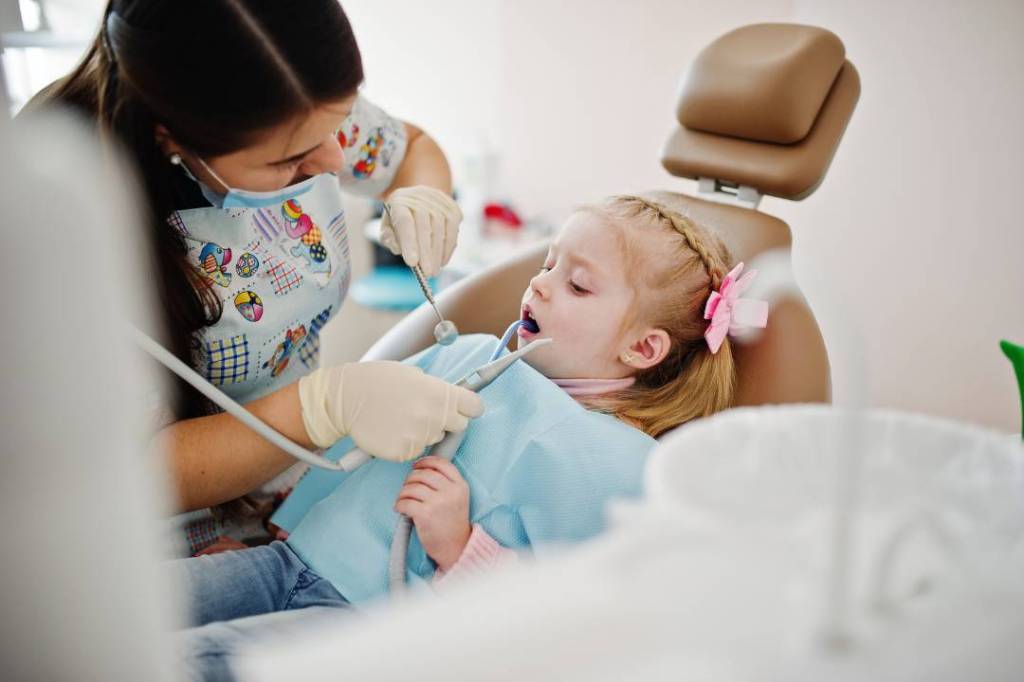
Keeping your child’s teeth healthy can feel like a full-time job, especially when they have a love for sweets and snack foods. Cavities, or tooth decay, are a common issue that most parents face at some point. But the good news is, with the right care and a few simple strategies, you can help your child avoid those dreaded cavities. In this article, we’ll cover some essential dentist-approved tips on how to prevent cavities in children. From proper brushing techniques to smart dietary choices, these easy-to-follow guidelines will help you protect your child’s precious smile.
What Are Cavities?
Cavities, or dental caries, are holes that develop in the teeth due to a breakdown of tooth enamel. This happens when bacteria in the mouth feed on sugars from food and drinks, producing acid that gradually wears down the enamel. If left untreated, cavities can cause pain, infection, and even tooth loss.
Why Are Children More Susceptible to Cavities?
Children are particularly vulnerable to cavities because their tooth enamel is thinner and more prone to decay. Additionally, kids often consume more sugary foods and beverages than adults, making them an easy target for cavity-causing bacteria. That’s why it’s important to start teaching good oral hygiene habits early on.
Dentist-Approved Tips to Prevent Cavities in Children
1. Start Early with Oral Hygiene
The foundation for healthy teeth starts long before your child can brush on their own. It’s crucial to begin cleaning your baby’s gums and early teeth as soon as they appear. Regular dental check-ups can help identify any potential issues that may require specialized care, such as Pediatric Oral Surgery, ensuring your child has the best start for a lifetime of healthy smiles.
How to Clean an Infant’s Gums and Teeth
- Use a clean, soft cloth or gauze to gently wipe your baby’s gums after feedings.
- Once the first tooth appears, switch to a small, soft-bristled toothbrush designed for infants.
- Use water and a tiny amount (about the size of a grain of rice) of fluoride toothpaste until your child is old enough to spit it out (around age 3).
2. Establish a Consistent Brushing Routine
One of the most effective ways to prevent cavities in children is through regular, proper brushing. The key is consistency, technique, and using the right products.
How to Brush Properly
- Make sure your child brushes at least twice a day, in the morning and before bedtime.
- Use a pea-sized amount of fluoride toothpaste once your child is over 3 years old.
- Encourage them to brush all surfaces of their teeth—front, back, and chewing surfaces.
- Help your child brush until they’re around 7-8 years old to ensure they’re doing it correctly.
3. Flossing: Don’t Forget the Gaps
Brushing alone doesn’t remove all the food particles and plaque that get stuck between teeth, which is why flossing is so important, even for kids.
When and How to Start Flossing
- Begin flossing your child’s teeth as soon as two teeth touch.
- Use floss sticks or dental picks made for kids, which can make flossing easier.
- Floss your child’s teeth once a day, preferably before bedtime.
4. Choose Tooth-Friendly Foods and Drinks
Diet plays a significant role in preventing cavities. Certain foods and drinks can contribute to tooth decay, while others help protect your child’s teeth.
Foods to Avoid
- Sugary snacks and candies, especially sticky ones like gummies or caramel.
- Soda and sugary drinks, including fruit juices with added sugar.
- Starchy foods like chips and crackers, which break down into sugar.
Tooth-Friendly Foods
- Fresh fruits and vegetables, which increase saliva flow and help clean teeth naturally.
- Dairy products like cheese and yogurt, which are rich in calcium and help strengthen tooth enamel.
- Water, especially fluoridated water, which helps wash away food particles and neutralize acids.
5. Schedule Regular Dental Checkups
Regular visits to the dentist are essential for catching any signs of tooth decay early. Dentists can also provide fluoride treatments and dental sealants, which are both effective ways to prevent cavities in children. Learn more about the dental tips about the how to prevent cavities in children’s click here.
How Often Should Kids Visit the Dentist?
- Start taking your child to the dentist by their first birthday or within six months of their first tooth erupting.
- Schedule checkups every six months for a thorough cleaning and examination.
Additional Tips for Cavity Prevention
Limit Sugary Snacks to Mealtimes
When children snack frequently throughout the day, their teeth are constantly exposed to sugar, which fuels bacteria and leads to cavities. Instead, try to limit sugary treats to mealtimes when saliva production is higher, helping to wash away food particles and neutralize acids.
Encourage Drinking More Water
Water is one of the best drinks for your child’s teeth. It helps rinse away leftover food and prevents dry mouth, which can lead to more bacteria growth. If your local water supply contains fluoride, it’s an added bonus that strengthens teeth.
Use Dental Sealants
Dental sealants are a great way to protect the molars in the back of your child’s mouth, where cavities are more likely to form. Sealants are thin, protective coatings applied by a dentist to the chewing surfaces of teeth, and they can help prevent decay for several years.
Common Questions About Preventing Cavities in Children
What Age Should My Child Start Brushing On Their Own?
Most children are ready to brush on their own by the age of 7 or 8. Until then, it’s a good idea to supervise and assist them to make sure they’re brushing effectively.
How Can I Make Brushing Fun for My Child?
Turn brushing into a fun activity by letting your child choose their own toothbrush (look for colorful or character-themed ones) and using a timer or a brushing app that plays music for two minutes. Reward systems, like a sticker chart, can also encourage consistent brushing.
Is Fluoride Safe for My Child?
Yes, fluoride is safe and highly beneficial in preventing cavities. The key is to use the appropriate amount based on your child’s age. Use a tiny smear of fluoride toothpaste for infants and a pea-sized amount for children aged 3 and up.
Conclusion
Preventing cavities in children is all about starting healthy habits early and sticking to them. By establishing a solid oral hygiene routine, encouraging a tooth-friendly diet, and scheduling regular dental visits, you can significantly reduce the risk of cavities. Remember, the key to preventing cavities in children is consistency and following these dentist-approved tips. Your child’s smile will thank you!
 Post Here
Leave a comment