
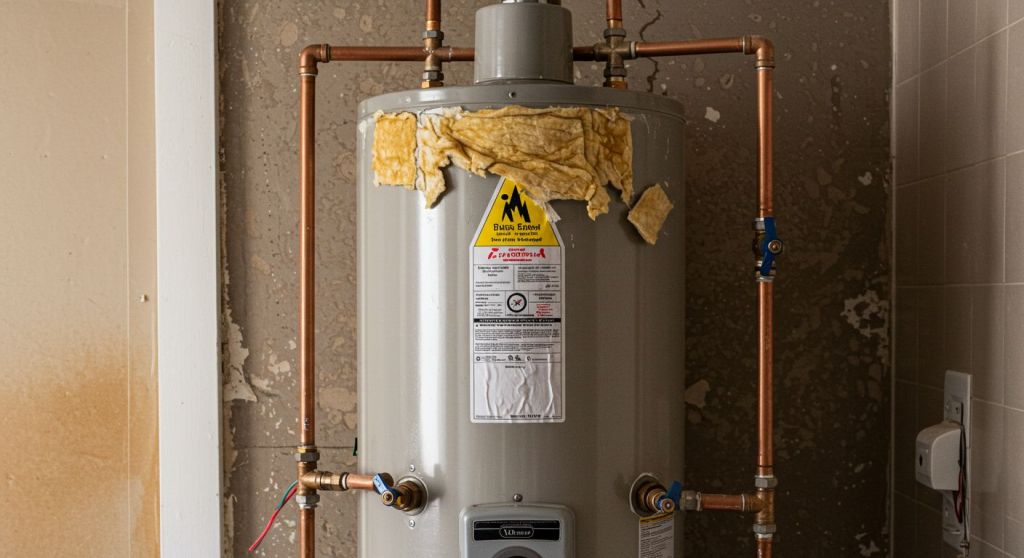
A water heater heats water for daily use. It supplies hot water for showers, washing dishes, and cleaning. Most homes depend on a working water heater for basic tasks. Like all appliances, a water heater wears out over time. Knowing when to replace it can prevent issues and high costs.
Typical Lifespan of a Water Heater
A standard water heater lasts between 8 to 12 years. Some may work for longer, but efficiency drops over time. Usage, water quality, and maintenance affect the lifespan. Regular checks help you monitor its condition and plan replacement when needed.
Signs Your Water Heater May Need Replacement
Water Temperature Problems
If the water is not getting hot or doesn’t stay hot for long, your water heater may be showing signs of failure. Fluctuating temperatures, strange noises, or unusually long heating times can indicate internal wear, sediment buildup, or failing heating elements. These warning signs should not be ignored, as they often lead to complete system breakdown if left unaddressed. Regular maintenance can help extend the life of your unit, but consistent failure to deliver hot water typically means it’s time to consider a replacement.
In Singapore, many homeowners turn to Local Service Pte Ltd when they encounter water heater problems that require fast and reliable solutions. As a trusted platform for home services, they connect users with qualified technicians who can diagnose the issue accurately and recommend cost-effective options, whether it’s repair or full replacement. Choosing experienced professionals ensures safety, efficiency, and long-term peace of mind, especially when dealing with essential systems like hot water supply.
Strange Noises
Older units may make banging, popping, or rumbling sounds. This happens when sediment builds up inside the tank. Noise often indicates reduced efficiency. If flushing the tank does not fix the problem, replacement might be the only solution.
Discoloured or Rusty Water
If your water appears rusty, the inside of your tank may be corroded. This often means the water heater is near the end of its life. Rusty water from only the hot tap can indicate the tank is breaking down inside.
Water Around the Heater
Leaks around the base of the heater suggest the tank is cracked or rusted. Water leakage can damage floors and walls. In such cases, water heater replacement services are required quickly to prevent further issues.
Reduced Water Pressure
Mineral deposits and rust can block pipes and reduce water flow. This happens more often with old heaters. Low water pressure can interfere with daily tasks and may suggest internal problems.
Comparing Repair and Replacement
Cost of Repair
Repairs may solve small issues. But repeated repairs add up over time. If the unit is older than 8 years, repair costs may outweigh the benefits. A new unit can offer better efficiency and lower monthly bills.
Efficiency of a New Water Heater
Modern water heaters use less energy. They heat water faster and maintain better temperature control. Replacing an old unit can reduce energy bills and improve comfort. New models often include warranties for added value.
Benefits of Timely Water Heater Replacement
Reliable Hot Water Supply
A new water heater provides steady and consistent hot water. You can rely on it for daily use without unexpected interruptions.
Lower Energy Use
Older heaters use more energy. A new model can reduce monthly energy bills. Less energy use also lowers your environmental impact.
Better Water Quality
New tanks reduce the risk of rust and mineral buildup. This can improve the taste and cleanliness of your hot water.
Peace of Mind
With a new system, you reduce the risk of sudden failure. You can avoid emergency repair costs and water damage.
Choosing the Right Water Heater
Tank or Tankless?
A tank water heater stores hot water and keeps it warm. A tankless model heats water as you need it. Tankless models take less space and use less energy, but cost more upfront. Choose based on your budget and household size.
Size of the Unit
Select the right size for your home. A small tank may not supply enough hot water. A large tank may waste energy. Check your daily water usage to find the right size.
Energy Source
Water heaters run on gas or electricity. Gas units heat faster but need venting. Electric units are easier to install. Choose based on utility rates and your home setup.
When to Call Water Heater Replacement Services
If your heater shows any of the signs above, contact a service provider. A technician can inspect the unit and advise if repair or replacement is better. A professional can also ensure safe removal and proper installation of the new unit.
Regular Maintenance to Extend Lifespan
Drain the Tank Yearly
Flush the tank once a year to remove sediment. This improves efficiency and prevents damage.
Check the Anode Rod
The anode rod prevents rust inside the tank. Replace it every few years to extend the life of your heater.
Inspect the Unit
Look for leaks, rust, or cracks. Listen for strange noises. Early detection helps avoid bigger issues.
Conclusion
Your water heater is an essential part of your home. Over time, it wears out and loses efficiency. Watch for signs like inconsistent water temperature, leaks, noise, or rust. Regular checks and maintenance can help, but replacement is often the better long-term option.
Water heater replacement services can help you choose and install a new unit. A modern heater can lower energy bills and provide more reliable performance. Knowing when to replace your water heater saves money and prevents unexpected problems.
 Post Here
Leave a comment