
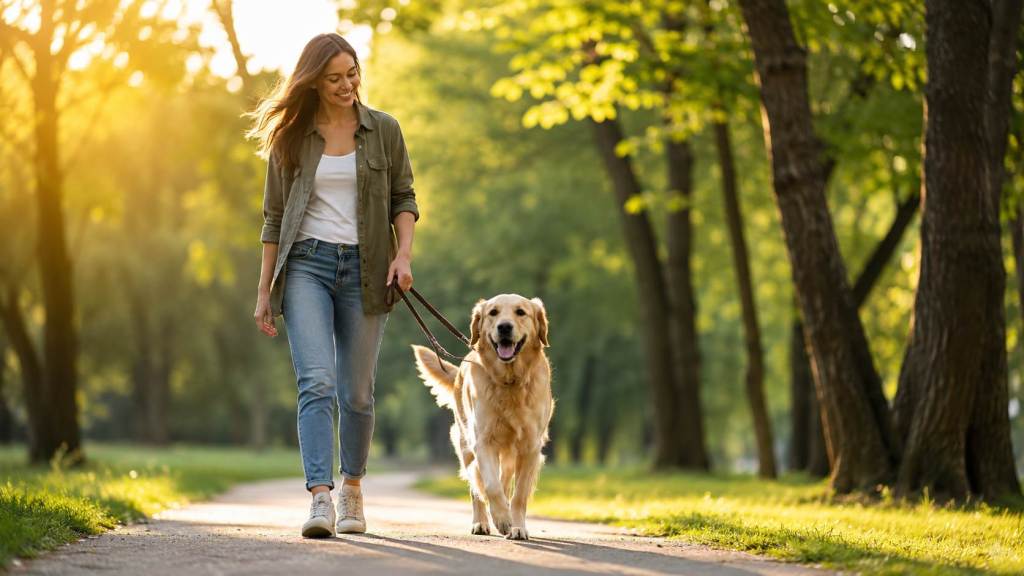
A daily walk gives a dog much more than physical exercise. It creates a healthy routine, supports emotional balance, and helps a dog feel safe and relaxed. Many pet owners focus on food, grooming, and medical care, but regular walks also play a major role in dog health. A dog uses walks to explore the environment, release energy, and interact with people and other animals. These activities support a stable mood and reduce emotional stress.
Dog’s Emotional Well-Being depends on several daily habits. Walking is one of the most important habits because it combines movement, mental activity, and social contact. A dog that walks every day often shows better behavior, stronger confidence, and lower stress levels. Dog walking also creates a stronger relationship between the dog and the owner. This simple activity supports both emotional and physical health throughout a dog’s life.
Why Dog’s Emotional Well-Being Matters
Every dog experiences emotions. A dog can feel excitement, fear, comfort, curiosity, and stress. These emotions affect daily behavior. A dog with good emotional health usually feels secure and responds well to daily situations. A dog with poor emotional health may become anxious, fearful, or frustrated.
Dog’s Emotional Well-Being affects sleeping habits, eating patterns, learning ability, and social behavior. A happy dog often learns commands more easily and adjusts better to changes. Emotional balance also supports overall dog health because long-term stress can affect the body.
Regular dog walking gives a dog a healthy way to manage emotions. It creates a positive routine that helps reduce worry and supports emotional stability.
How Dog Walking Reduces Stress
Stress affects dogs in many ways. Loud sounds, long periods alone, changes in routine, or limited activity can increase stress levels. A stressed dog may bark more often, chew furniture, pace around the house, or refuse food.
Dog walking helps reduce stress by giving the dog a healthy outlet for energy. Walking allows the body to release natural chemicals that support relaxation. Fresh air and open spaces also help many dogs feel calmer.
Walking creates a predictable schedule. Dogs enjoy routines because they know what to expect. A daily walk gives the dog something positive to anticipate. This regular activity lowers stress and supports Dog’s Emotional Well-Being over time.
Walking Builds Confidence
Many dogs become nervous in new places or around unfamiliar people. Confidence develops through positive experiences. Walking gives dogs safe opportunities to explore different sights, sounds, and smells.
Each successful walk teaches the dog that new experiences are manageable. A dog becomes more comfortable with traffic sounds, bicycles, children, and other animals after repeated positive exposure.
Confident dogs usually recover more quickly from surprising events. They stay calmer during daily activities and respond better to training. Dog walking helps build this confidence through regular practice in different environments.
Mental Stimulation Supports Emotional Health
A walk is more than exercise. It also gives the brain useful activity. Dogs gather information through their sense of smell. Every scent tells a story about other animals, people, and the surrounding area.
Mental stimulation keeps the brain active. A dog that spends time smelling different objects during a walk often returns home feeling relaxed and satisfied. This type of activity supports Dog’s Emotional Well-Being because it gives the dog a chance to explore naturally.
Owners sometimes rush during walks. Allowing the dog extra time to sniff trees, grass, and sidewalks makes the experience more rewarding. This simple habit supports both mental health and dog health.
Dog Walking Strengthens the Bond Between Dogs and Owners
Dogs build trust through shared experiences. Daily walks create regular time together without distractions. During each walk, the owner guides, protects, and communicates with the dog. Learning from experienced dog walking teams, such as Four Dog Paws, can also give owners practical ideas for building consistent routines that strengthen this connection over time.
Positive interactions during dog walking increase trust. The dog learns to follow directions while feeling safe beside the owner. This relationship creates emotional security that continues at home.
A stronger bond also improves communication. Owners become better at recognizing body language, energy levels, and emotional changes. Dogs also become more responsive because they feel connected to the person leading them.
This strong relationship supports Dog’s Emotional Well-Being throughout every stage of life.
Social Interaction Improves Emotional Balance
Many dogs enjoy meeting other dogs and people. Safe social experiences help dogs develop good behavior and emotional control.
Dog walking creates opportunities for these interactions. A dog learns how to approach others calmly and read social signals. Positive meetings help reduce fear and improve confidence.
Owners should introduce social situations gradually. Every dog has a different comfort level. Calm and controlled meetings create positive experiences that support emotional growth.
Healthy social activity also supports dog health because active dogs often stay more engaged with their surroundings.
Walking Helps Prevent Boredom
Dogs need regular activity every day. Without enough stimulation, boredom can develop quickly. A bored dog often creates entertainment through unwanted behavior.
Common signs of boredom include chewing household items, digging, barking, scratching doors, or jumping on furniture. These actions usually show that the dog needs more activity.
Dog walking gives dogs something meaningful to do. Every walk offers new smells, different paths, changing weather, and fresh experiences. These changes keep daily life interesting.
Regular walking reduces boredom and supports Dog’s Emotional Well-Being by giving the dog healthy daily activities.
Physical Activity Supports Emotional Stability
Physical health and emotional health work together. Dogs that receive enough exercise often sleep better, maintain a healthy weight, and show balanced behavior.
Walking helps improve circulation, supports healthy joints, and maintains muscle strength. These physical benefits also affect mood. Dogs with comfortable bodies often remain calmer and happier throughout the day.
Good dog health supports better emotional balance because physical discomfort can increase stress or irritability. Daily dog walking helps maintain this balance through steady exercise.
Walking Helps Puppies Learn About the World
Puppies experience many new situations during their first year. They learn by seeing, hearing, smelling, and interacting with their surroundings.
Dog walking introduces puppies to different environments at a steady pace. They learn about parks, sidewalks, cars, people, and other animals through repeated positive experiences.
These lessons help puppies grow into confident adult dogs. Early social learning supports Dog’s Emotional Well-Being because it reduces fear later in life.
Owners should keep walks short for young puppies and increase walking time as the puppy grows stronger.
Senior Dogs Also Benefit From Regular Walks
Older dogs may move more slowly, but they still need daily activity. Gentle dog walking helps maintain flexibility, supports healthy circulation, and keeps the mind active.
Senior dogs often enjoy familiar walking routes. These routines create comfort and reduce confusion. The activity also provides mental stimulation through familiar and new scents.
Owners should adjust the pace according to the dog’s age and health. Shorter walks with rest breaks often provide the best results.
Even gentle exercise supports Dog’s Emotional Well-Being by giving senior dogs daily purpose and enjoyable experiences.
Signs That Walking Improves Your Dog’s Emotional Well-Being
Many owners notice positive changes after establishing a consistent walking routine. Dogs often appear more relaxed after returning home. They rest more comfortably and show fewer signs of frustration.
Some dogs become easier to train because regular exercise improves focus. Others become friendlier during social situations. Many dogs also bark less and display calmer behavior indoors.
These positive changes usually develop over several weeks. Consistency remains the key factor. Daily dog walking creates lasting improvements in emotional health and supports overall dog health.
Creating a Healthy Dog Walking Routine
A regular schedule helps dogs feel secure. Most dogs benefit from at least one daily walk, although active breeds often need more exercise.
Choose safe walking areas with enough space for exploration. Bring fresh water during longer walks, especially in warm weather. Watch for signs of tiredness and adjust the distance based on the dog’s age, breed, and fitness level.
Allow time for sniffing instead of rushing through the walk. Mental activity is just as valuable as physical movement. Stay patient and make every walk a positive experience.
A consistent routine supports Dog’s Emotional Well-Being while also improving dog health through regular exercise and mental stimulation.
Common Mistakes During Dog Walking
Some owners focus only on covering distance. Dogs benefit more from a balanced walk that includes movement, exploration, and calm interaction.
Pulling the leash constantly can create frustration. Allowing safe freedom within leash limits gives the dog a more enjoyable experience. Skipping walks because of a busy schedule can also affect emotional health over time.
Very long walks may tire young puppies or senior dogs. Each dog has different exercise needs. Owners should choose a routine that matches the dog’s age, energy level, and physical condition.
Thoughtful dog walking creates better emotional results than simply walking for a set amount of time.
Conclusion
Dog walking plays an important role in Dog’s Emotional Well-Being. It supports emotional balance through exercise, mental stimulation, social experiences, and daily routine. Regular walks help reduce stress, increase confidence, prevent boredom, and strengthen the relationship between dogs and their owners.
This simple habit also supports dog health by improving fitness, maintaining healthy body weight, and encouraging better behavior. Puppies, adult dogs, and senior dogs all benefit from regular walking when the activity matches their individual needs.
A consistent walking routine creates lasting emotional and physical benefits. Every walk gives a dog the chance to explore, learn, relax, and enjoy time with the owner. Over time, these experiences help create a happier, healthier, and more emotionally balanced companion.


Leave a comment